NW10 Estate Gardeners Serving Brent Park and Dudden Hill
If you live on an estate in NW10, you already know the small stuff adds up fast: a patchy lawn after a wet spell, hedges that suddenly look unruly by Thursday, litter snagged in shrubs, and communal borders that somehow go from tidy to tired in a week. That is where NW10 estate gardeners serving Brent Park and Dudden Hill make a real difference. They are not just cutting grass. They are helping keep shared outdoor spaces safer, cleaner, better looking, and far easier to manage week after week.
This guide explains what estate gardening actually involves, how the service usually works, what to expect from a reliable team, and how to judge quality without getting lost in jargon. If you are responsible for a block, a managing agent, or a residents' committee, you will find the practical detail useful. And if you are simply trying to get your communal garden back under control, well, you are in the right place.
Expert summary: good estate gardening is about consistency, clear communication, and sensible seasonal maintenance. The best results come from regular visits, simple plans, and a team that understands shared spaces, not just private gardens.
Table of Contents
- Why NW10 estate gardeners serving Brent Park and Dudden Hill Matters
- How NW10 estate gardeners serving Brent Park and Dudden Hill Works
- Key Benefits and Practical Advantages
- Who This Is For and When It Makes Sense
- Step-by-Step Guidance
- Expert Tips for Better Results
- Common Mistakes to Avoid
- Tools, Resources and Recommendations
- Law, Compliance, Standards, or Best Practice
- Options, Methods, or Comparison Table
- Case Study or Real-World Example
- Practical Checklist
- Conclusion
- Frequently Asked Questions
Why NW10 estate gardeners serving Brent Park and Dudden Hill Matters
Estate gardens in Brent Park and Dudden Hill tend to work harder than most people realise. They sit between homes, entrances, footpaths, parking areas, bin stores, and the little cut-throughs people use because they are quicker. That means plant beds get compacted, edges disappear, weeds seed themselves in a blink, and anything neglected becomes visible very quickly.
In a shared space, appearance is only one part of the story. A tidy estate garden also supports day-to-day life. Clear paths feel safer. Well-cut hedges improve sightlines. Regular clearance prevents blocked access, and simpler planting choices reduce the maintenance burden over time. Let's face it, nobody wants a lovely border that becomes a constant weekend battle.
For residents, there is also a quiet psychological benefit. A maintained estate can make the whole place feel more cared for. That matters in urban neighbourhoods where outside space is precious and often heavily used. You notice it on a bright morning when the lawn is trimmed, the bins are tucked away properly, and the edges look crisp instead of ragged. Small thing, big difference.
For managing agents, housing associations, and landlords, the value is even more practical. Good grounds care reduces complaints, helps protect communal assets, and gives you a clearer maintenance schedule instead of endless reactive fixes. That is usually where the savings show up, even if they are not dramatic on paper.
How NW10 estate gardeners serving Brent Park and Dudden Hill Works
A solid estate gardening service usually starts with a site assessment. The team looks at lawn condition, hedge height, access routes, waste levels, planting density, and any awkward spots where leaves and litter gather. If the space is split between front communal areas, rear gardens, and narrow side paths, they will usually plan around access rather than forcing a one-size-fits-all approach.
From there, a maintenance schedule is agreed. For some sites, that means weekly grass cutting in the growing season and lighter visits in winter. For others, it may be fortnightly or monthly, with extra hedge work, pruning, or clearance as needed. The point is consistency. A garden that gets attention regularly is cheaper and easier to keep in shape than one that is rescued only when it becomes visibly messy.
In practice, the work often includes a mix of tasks:
- lawn mowing and edging
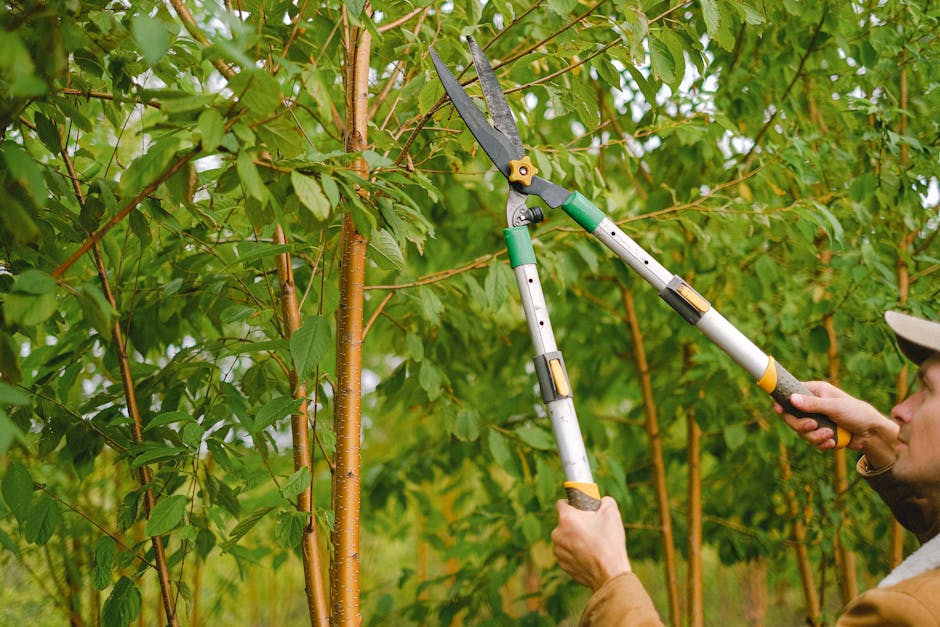
- hedge trimming and shaping
- weed control and border tidy-ups
- leaf clearance and general debris removal
- seasonal planting or bed refreshes
- light pruning and deadheading
- garden clearance after neglect or storm damage
If the site needs more than routine upkeep, a team may also coordinate broader works such as landscaping improvements, hard-wearing surfaces, or even timber features through decking services. And if the garden has outgrown itself a bit, a proper reset through garden clearance can be the cleanest starting point. There is no shame in needing a reset. Happens all the time.
Most reliable teams also work with a simple reporting loop. They note hazards, damaged planting, boundary issues, or areas that need escalation. That matters because shared gardens often reveal problems before anyone else does: a loose panel, a dead tree limb, a drain cover hiding under ivy. The gardener notices first, which is half the battle.
Key Benefits and Practical Advantages
The most obvious benefit is visual. A neat estate looks more welcoming and cared for. But if you stop there, you miss the bigger value.
- Better safety: cleared paths, shorter hedges, and managed overgrowth reduce trip points and improve visibility.
- Lower long-term effort: routine maintenance stops small problems becoming expensive jobs.
- Stronger first impressions: visitors, tenants, and buyers all respond to a well-kept entrance and shared green space.
- More usable outdoor areas: lawns and borders become places people can actually enjoy, rather than merely pass through.
- Reduced complaints: regular upkeep helps prevent the familiar "it looks neglected" cycle.
- Healthier planting: consistent pruning, feeding, and seasonal care support more resilient shrubs and beds.
There is also a subtle but important operational advantage. When a team knows a site well, they can work faster and better. They know where damp lingers after rain, where the bins drag mud across paving, which hedge grows like it is on a mission, and which corner catches every leaf in autumn. That sort of familiarity is worth a lot. It sounds simple, but it really isn't.
For some properties, estate gardening links neatly with other services. A mature tree can overshadow a lawn and create persistent shade, in which case careful tree lopping and removal may be the sensible next step, assuming it is appropriate and safe. Likewise, consistent lawn care through lawn mowing and regular upkeep via garden maintenance can keep the whole site on an even keel.
Who This Is For and When It Makes Sense
This kind of service is usually a fit for anyone managing shared or semi-shared outdoor areas. That includes housing estates, apartment blocks, mixed-use sites, private roads, and managed communal courtyards. If people beyond one household use the space, an estate-style maintenance approach often makes more sense than ad hoc gardening.
It is especially useful when:
- the garden is shared by multiple residents
- maintenance has become inconsistent or reactive
- the estate has seasonal issues like heavy leaf fall or fast spring growth
- tenants or visitors are complaining about appearance or access
- you need a dependable schedule rather than occasional one-off jobs
- you want a team that can handle a mix of tidy-up, clearance, and light landscaping
There is also a point where estate gardening shifts from "nice to have" to "necessary." That usually happens when overgrowth starts interfering with access, when weeds are taking over the edges, or when the site simply looks tired and unmanaged. At that stage, the longer you wait, the more work gets bundled into one visit. Not ideal, obviously.
Landlords and managing agents often benefit from a slightly different approach than residents' groups. They may need clearer paperwork, more formal quotes, and a service that can be aligned with property inspections or planned works. Residents' associations may care more about flexibility and visual consistency. Both are valid. The service should fit the way the site is actually run.
Step-by-Step Guidance
If you are thinking about arranging NW10 estate gardeners serving Brent Park and Dudden Hill, a practical process helps a lot. Here is the approach that usually works best.
- Walk the site properly. Look at all the shared spaces, not just the obvious lawn. Check side access, rear corners, entrance beds, fence lines, and anywhere litter tends to collect.
- List the recurring issues. Is it mowing, hedge growth, weeds, fallen leaves, or all of the above? If the same problems keep coming back, they should shape the maintenance plan.
- Separate routine work from one-off work. Some tasks need regular visits. Others, like clearance or major reshaping, are best handled as a single project.
- Set a frequency. Weekly, fortnightly, monthly, or seasonal. There is no magic number; it depends on growth rate, footfall, and how polished you want the site to look.
- Agree waste handling in advance. Green waste, cuttings, and debris should be removed or recycled responsibly. It sounds basic, but it matters more than people think.
- Build in feedback. A short review after the first few visits can save a lot of frustration. If a hedge needs a softer shape or a bed needs less aggressive clearing, say so early.
A small but useful detail: ask how the team handles seasonal transitions. Spring growth and autumn leaf fall are very different beasts. If the plan stays the same all year, something will slip. Usually both, in fairness.
If your site needs a broader refresh, it can help to start by looking at the wider range of services overview and then narrowing down the parts that match your estate. For example, a tired entrance area may need new planting and shaping, while a back communal strip may only need mowing and clearance. Don't overcomplicate it. Keep it workable.
Expert Tips for Better Results
Here are a few practical lessons that make a noticeable difference on estate sites.
- Prioritise edges. Clean lawn edges and border lines make a site look cared for even before you notice the plants.
- Keep a simple plant palette. The fewer fussy plants you use in communal areas, the easier the site is to maintain.
- Use pruning with restraint. Heavy-handed cuts can leave shrubs looking stressed. A steady, seasonal approach usually works better.
- Match the mowing pattern to the site. If access is tight or the grass is uneven, a careful route matters more than speed.
- Schedule clearance before it becomes urgent. Garden waste, litter, and windblown debris are easier to deal with in small amounts.
Another useful tip is to ask for maintenance that respects the character of the site. Some estates benefit from formal shaping. Others look better when they are kept softer and more natural. A good gardener will notice that quickly. You can usually tell within ten minutes whether they are seeing the space, or just the job.
If sustainability matters to your residents, that is worth building into the brief too. Responsible green waste handling, minimal chemical use where practical, and thoughtful plant choices can all reduce the environmental footprint. The aim is not perfection. Just sensible, steady improvement.
You may also want to consider hedges as more than boundaries. They are visual walls, privacy screens, and sometimes noise buffers. Good hedge trimming can change the feel of an estate quickly, especially around entrances and paths where neatness matters most.
Common Mistakes to Avoid
Estate gardening goes wrong most often when people treat it like a one-off tidy rather than an ongoing system. That is the root problem, really.
- Choosing only on price. The cheapest option can become the most expensive if the site needs rework, extra visits, or constant chasing.
- Skipping a site visit. Photos are helpful, but they rarely show access issues, hidden debris, or awkward growth.
- Ignoring seasonal changes. What works in May may be useless by November.
- Leaving waste logistics vague. Cuttings piling up at the edge of a block is nobody's idea of tidy.
- Assuming all gardeners handle communal sites well. Shared spaces need coordination, discretion, and a bit of common sense.
- Over-pruning shrubs and hedges. Too much cutting can lead to patchy regrowth and a tired-looking site.
Another mistake is failing to define what "done" looks like. Is the goal a presentable estate, a more formal landscape, or simply keeping it safe and usable? Different answers mean different methods. Without that clarity, even a competent team can miss the mark. Bit awkward, but avoidable.
Tools, Resources and Recommendations
You do not need to become a gardener to manage a gardening contract well, thankfully. But it helps to know the basic tools and service types involved so you can ask sensible questions.
| Area of Work | What It Usually Involves | Why It Matters on Estates |
|---|---|---|
| Lawn mowing | Regular cutting, edging, and debris clearing | Maintains a clean look and prevents the grass from becoming uneven or patchy |
| Hedge trimming | Shaping, height control, and access clearance | Keeps sightlines open and stops paths feeling enclosed |
| Garden maintenance | Ongoing upkeep across lawns, borders, and general tidiness | Supports consistency rather than one-off repair work |
| Garden clearance | Removal of clutter, dead growth, and overrun material | Useful for neglected sites or seasonal resets |
| Landscaping | Improving layout, planting structure, or hard-wearing features | Helps estates become easier to maintain long term |
For practical reading and service planning, a few internal pages are worth keeping in mind: lawn mowing support if grass is the main issue, hedge trimming if boundaries are causing complaints, and ongoing garden maintenance if you need regular care rather than a one-off tidy. If there is a bigger overhaul on the horizon, landscape gardening may be the better fit.
A practical recommendation: keep a simple site log. It can be as basic as visit dates, tasks completed, problem areas, and any follow-up required. Nothing fancy. The sort of note you can glance at and think, ah yes, that hedge is always worse after wind.
Law, Compliance, Standards, or Best Practice
Estate gardening is not usually a highly regulated service in the way some trades are, but it still sits inside a broader framework of safety, access, and duty of care. That matters on shared residential sites.
At a practical level, a responsible provider should work in line with sensible UK health and safety practice. That means using appropriate equipment, managing slip and trip risks, handling waste properly, and being careful around residents, vehicles, children, and pets. If you are overseeing a site, you should also expect clear communication about what work is planned and any temporary disruption it may cause.
Insurance is another important point. If a contractor is working around communal buildings, paths, vehicles, and planted areas, it is normal to ask whether they have suitable cover. You do not need a lecture; you just need confidence that the basics are in place. The same applies to safe use of tools and machinery. A tidy finish is great, but not at the expense of avoidable risk.
Environmental handling also counts as best practice. Green waste should be removed or recycled sensibly, and chemical use should be cautious and proportionate. If your site values greener maintenance, you can ask about recycling and sustainability choices before work begins. That is a fair question, and a useful one.
For contractors who publish their policies, pages such as health and safety policy, insurance and safety, and recycling and sustainability can help you understand how they operate. You can also review the business background on the about us page if you want a better feel for the team before you move forward.
Options, Methods, or Comparison Table
Not every estate needs the same type of gardening support. Some sites need light, regular care. Others need a reset followed by maintenance. The best choice depends on what the space looks like now and what it needs to become.
| Approach | Best For | Pros | Watch Out For |
|---|---|---|---|
| Routine maintenance | Managed estates needing steady upkeep | Predictable, tidy, easier to budget for | Can miss deeper issues if the site is already neglected |
| One-off clearance | Overgrown or recently neglected areas | Fast visual improvement, good reset point | Needs follow-up or the problem returns |
| Seasonal intervention | Sites with spring surge or heavy autumn leaf fall | Targets the worst pressure points | Not enough on its own for high-use communal spaces |
| Light landscaping upgrade | Spaces needing better layout or lower maintenance design | Improves long-term manageability | Requires planning and a bit more upfront effort |
If you are unsure which route suits your estate, start with the least risky question: what would make the site easier to maintain over the next twelve months? That answer usually points in the right direction. For some sites, the answer is simply more consistent mowing. For others, it is a smarter layout and fewer high-maintenance plants. Simple, not simplistic.
Case Study or Real-World Example
Imagine a small mixed-residential estate in NW10 with a front lawn, a narrow side path, and a shared back area behind the blocks. In spring, the grass shoots up quickly. By summer, the hedge line starts narrowing the path. By autumn, leaves gather in the same corner near the bins, and residents begin mentioning it in passing. Nothing dramatic, just that slightly weary look people get when a place feels ignored.
A sensible maintenance plan would probably begin with a clearance and reset. Dead growth would be removed, edges reinstated, and the hedge reduced to a manageable shape. The lawn would then move onto a regular cut schedule, with weeding and border tidying built in. If the back area felt too cramped or awkward, small landscaping changes might be suggested to simplify future maintenance.
What changed? Not magic. Just consistency. After a few visits, the estate would feel calmer and more ordered. Residents would stop noticing the same mess. The path would feel easier to use. And the team would spend less time fighting the same overgrowth each month. That's usually how it goes when the plan is actually matched to the site.
It is worth saying, too, that a good contractor does not overpromise. If a tree is shading a lawn heavily or a bank is causing drainage issues, they will usually flag it rather than pretend a quick cut can solve everything. That sort of honesty is worth more than a glossy pitch.
Practical Checklist
Use this before booking or reviewing estate gardening work in Brent Park or Dudden Hill.
- Walk the full site and note every shared area.
- List the main problems: mowing, hedges, weeds, leaves, clearance, access, or planting.
- Decide whether you need routine maintenance, a one-off reset, or both.
- Ask how waste and cuttings will be handled.
- Check whether the team can support related tasks like garden clearance or tree lopping and removal if needed.
- Confirm visit frequency and preferred days.
- Make sure the contractor understands communal access and resident sensitivity.
- Ask what happens if weather interrupts the schedule.
- Keep a simple record of work completed and any follow-up items.
- Review the plan after the first few visits and adjust if necessary.
That list may look plain, but plain is good here. The best estate garden management is rarely glamorous. It is steady, tidy, and slightly unremarkable in the nicest possible way.
Get a free quote today and see how much you can save.
Conclusion
NW10 estate gardeners serving Brent Park and Dudden Hill do more than keep communal spaces looking nice. They help estates work better, feel safer, and stay easier to manage across the seasons. The real win comes from consistency: the right visits, the right mix of tasks, and the kind of attention that spots issues before they become obvious problems.
If you are managing a shared outdoor space, the smartest next step is usually to assess the site honestly and choose a maintenance approach that fits its real condition, not the one you wish it had. A little structure now saves a lot of hassle later. And frankly, a well-kept estate just feels better to come home to.
When the paths are clear, the hedges are under control, and the garden feels looked after, the whole place settles down a bit. That quiet improvement is often the biggest benefit of all.
Frequently Asked Questions
What do NW10 estate gardeners serving Brent Park and Dudden Hill usually do?
They typically handle routine communal garden upkeep such as mowing, hedge trimming, weeding, leaf clearance, border tidying, and seasonal maintenance. Some teams also support garden clearance and light landscaping.
How often should an estate garden be maintained?
It depends on the site, but many shared gardens benefit from weekly or fortnightly visits during the growing season, with reduced frequency in winter. High-footfall estates usually need a more regular plan.
Is estate gardening different from regular domestic gardening?
Yes. Estate gardening usually involves shared access, multiple stakeholders, stricter consistency, and more attention to safety, communication, and waste handling. It is less about one person's garden and more about a whole site working together.
What is the best first step if an estate garden is badly overgrown?
A one-off clearance is usually the best place to start. Once the area is manageable again, regular maintenance can keep it from slipping back into the same state.
Can estate gardeners help with hedges that block paths or sightlines?
Yes. Hedge trimming is a common part of communal garden care, especially where hedges narrow walkways, obscure visibility, or start to dominate an entrance area.
Do I need a full landscaping project or just maintenance?
If the site is structurally fine and just needs upkeep, maintenance may be enough. If the layout is awkward, planting is too demanding, or the area is hard to manage, landscaping might be the better long-term option.
How do I judge whether a gardening quote is fair?
Look at what is included, how often visits happen, whether waste removal is covered, and whether the plan is realistic for the site. A quote that looks cheap but leaves out key tasks can be poor value.
Should communal garden work include waste removal?
Usually yes, or at least it should be clearly agreed in advance. Cuttings, leaf piles, and clearance debris can become a nuisance very quickly on an estate.
What should managing agents ask before hiring a gardener?
Ask about experience with shared sites, insurance, safety practices, maintenance frequency, waste handling, and communication. It also helps to ask how they would approach the site after the first visit.
Is sustainability important in estate gardening?
It can be, especially on larger or long-running sites. Responsible green waste handling, sensible planting, and lower-maintenance design choices can make the site easier to manage and kinder on resources.
Can estate gardeners work around residents and vehicles safely?
They should. Good teams plan access carefully, use the right equipment, and work in a way that avoids unnecessary disruption. Safe, tidy work practice is a basic expectation, not a bonus.
When is the best time of year to improve a communal garden?
There is no single perfect time, but spring and early autumn are often practical for bigger improvements. Routine upkeep, however, should continue all year because shared spaces never really stop growing, do they?