Autumn Garden Prep Neasden Checklist 2026 for Gardeners
By the time October rolls around in Neasden, the garden can look a bit tired for a good reason: shorter days, damp mornings, leaf drop, and those first cold snaps all start doing their thing. That is exactly why an Autumn garden prep Neasden checklist 2026 for gardeners matters. It helps you get ahead of the weather, avoid preventable damage, and set up a calmer spring. Truth be told, autumn is one of those seasons where a few well-timed jobs can save a surprising amount of time later.
This guide walks through what to do, why it matters locally, and how to prioritise the jobs that make the biggest difference. Whether you are maintaining a small front garden, a back plot with lawn and borders, or a shared outdoor space, you will find a practical checklist here. And yes, a few tasks are boring. But they are the good kind of boring.
Why Autumn Garden Prep Neasden Checklist 2026 for Gardeners Matters
Autumn in Neasden is not just "a bit cooler". It is the season when gardens start storing up problems if you leave them alone. Leaves block drains and lawns, wet soil gets compacted, tender plants suffer from sudden cold, and shrubs can become floppy or wind-battered. If you have ever looked out after a rainy week and thought, "That got messy fast," you already know the feeling.
Local conditions make a difference too. Neasden sits in an urban London setting where gardens often deal with shade from buildings, compacted soil, reflected heat, and patchy rainfall. That means your autumn jobs need to be more thoughtful than a generic one-size-fits-all list. For example, a border that dries out quickly in summer may still sit wet for days in autumn if it is shaded and sheltered from airflow. A small front garden may also collect more litter and leaf debris than you expect. Not glamorous, but real.
Autumn prep also matters because it protects next year's growth. Plants go into a quieter phase, roots keep working for a while, and the garden begins resetting itself. If you improve the soil now, clear diseased material, and shelter the vulnerable bits, spring starts from a stronger position. That is the whole point, really: less rescue work later, better results earlier.
Quick takeaway: autumn preparation is not only about tidying. It is about moisture management, plant protection, soil health, and reducing winter damage before it starts.
How Autumn Garden Prep Neasden Checklist 2026 for Gardeners Works
The checklist works best when you think in layers rather than one huge weekend of chaos. Start with safety and clearance, move to plant care, then finish with soil, lawn, and structure. That approach is easier to manage and less likely to leave you doing the same job twice.
In practice, the process usually looks like this:
- Assess the space - check what has finished growing, what still needs support, and what is showing stress.
- Remove obvious debris - collect fallen leaves, dead annuals, broken stems, and anything that could rot or spread disease.
- Protect what stays - mulch, stake, wrap, or lift tender plants as needed.
- Reset the lawn and beds - aerate, top-dress, edge, and improve soil structure where it matters.
- Plan for winter access - make sure paths, bins, sheds, taps, and storage areas are ready for wet weather.
You do not need to do everything in one go. In fact, splitting the work across a few dry spells is usually better. Let's face it, autumn weather in London rarely sends a neat calendar invite.
For gardeners who prefer professional support, regular upkeep can be folded into a broader plan through garden maintenance in Neasden, especially if the garden has hedges, a lawn, and beds that all need attention at once.
Key Benefits and Practical Advantages
There is a very practical payoff to autumn prep, and it shows up in several ways. Some are obvious, others less so.
- Less winter damage - pruning, staking, and mulching reduce the risk of broken stems and root stress.
- Better spring growth - healthy soil and protected roots give plants a head start when temperatures rise again.
- Cleaner, safer outdoor space - cleared paths and reduced leaf buildup mean fewer slips and less mess.
- Fewer pest and disease issues - removing diseased material early can interrupt overwintering problems.
- Lower workload later - future jobs become smaller because you have not let them stack up.
There is also a design benefit. A garden that has been properly tidied for autumn looks calmer and more intentional, even in bad weather. A clipped hedge, cleared border edge, and tidy lawn can make a modest space feel cared for rather than neglected. That matters in front gardens and shared entrances especially.
If you are improving the look of the garden at the same time, it can help to combine seasonal prep with broader outdoor upgrades through landscape gardening or landscaping if structural changes are needed later in the year.
Who This Is For and When It Makes Sense
This checklist is for anyone in Neasden who wants a healthier garden going into winter. That includes homeowners, landlords, tenants with permission to maintain the space, property managers, and people looking after a family garden that has quietly become everyone's problem. Happens all the time.
It is especially useful if you have:
- a lawn that gets soggy or patchy in autumn;
- shrubs and hedges that grow quickly through summer;
- leaf-heavy trees nearby;
- raised beds, pots, or tender perennials;
- a small city garden with limited drainage or light;
- a garden that has been left a bit too long since the last tidy-up.
The checklist also makes sense if you are comparing whether to do the work yourself or bring in help. Some jobs are straightforward. Others, such as taller hedge work, tree reductions, or clearing a badly overgrown plot, can become awkward fast. If you reach the point where the job feels bigger than the weekend, that is usually a clue. Not a failure, just useful information.
For larger clear-ups, a professional garden clearance can be the cleanest starting point before the rest of the autumn routine begins.
Step-by-Step Guidance
Here is the practical part. This is the order that tends to work best for most Neasden gardens in autumn 2026. You can adjust it depending on what is growing, what is weather-dependent, and how much time you actually have.
1. Clear debris before it becomes a problem
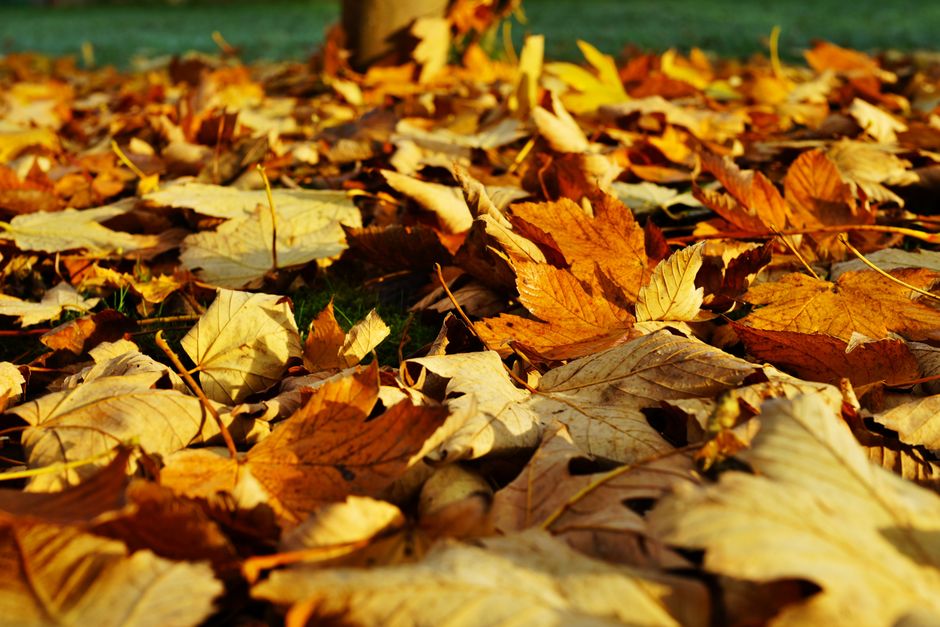
Start by removing fallen leaves, spent annuals, dead stems, broken twigs, and any obvious rubbish. Wet leaves on grass can suffocate the lawn if left too long, and rotting plant matter can attract pests or encourage fungal issues. If you are working after rain, wear grippy shoes and take your time. Slips happen when people rush.
Do not assume all debris is waste. Healthy leaves can be composted or reused as mulch, while diseased material should be removed carefully. A slightly damp, earthy smell is normal; a sour or mouldy patchy smell can be a sign that material has been left too long.
2. Cut back summer growth with care
Trim back tired perennials, deadhead where needed, and remove collapsed stems. The aim is not to create a bare, harsh-looking space. You want enough structure to protect soil and wildlife, while taking away material that will become messy or diseased over winter. A few seed heads can be left standing if they are healthy and decorative. There is no prize for stripping everything to a blank canvas.
3. Check hedges and shrubs
Autumn is a good time to assess shape, wind damage, and overcrowding. Light tidying is often better than hard cutting, especially if the plant is still putting on growth. Keep an eye out for broken branches rubbing together. Those little wounds can become larger issues once wind and rain start working on them.
If the hedging is substantial or you are dealing with awkward access, a specialist hedge trimming service can help restore shape without leaving the plant lopsided for winter.
4. Protect the lawn
Lawns in autumn need a bit of care, not a miracle. Rake off leaves, raise the mower height slightly if you are still cutting, and avoid walking on waterlogged areas repeatedly. Compacting wet soil makes it harder for roots to breathe. If there are thin or bare patches, autumn is often a suitable time to reseed or repair them, provided the soil is workable.
Many gardeners also benefit from one final tidy mow before growth slows, which is where lawn mowing can fit into the seasonal schedule if you want a clean finish without overcutting.
5. Improve soil and mulch beds
Once the surface is tidy, add organic matter where beds need it. Mulch helps hold moisture, moderates soil temperature, and reduces splashback from rain. That matters in London gardens where soil can swing from dry to sticky very quickly. Keep mulch away from direct contact with stems and trunks, though. A little gap is healthier.
6. Lift, move, or shelter tender plants
Some containers and tender plants need extra attention. Move pots into more sheltered positions, raise them slightly so they can drain, and wrap vulnerable containers if frost is likely. If you have Mediterranean-style plants or anything borderline hardy, think about how exposed the spot gets overnight. The coldest corner is often the one behind the shed or beside a brick wall where wind swirls strangely. Small detail, big difference.
7. Inspect trees, drainage, and structures
Look up as well as down. Weak tree limbs, leaning supports, loose fence panels, or blocked drainage can all become headaches in a windy spell. If you spot a limb that looks unsafe or a tree that needs attention, it is wiser to address it sooner rather than after a storm. Tree work should be handled with caution and, where needed, professional support.
For larger or riskier work, tree lopping and removal may be relevant if the issue goes beyond what sensible garden maintenance can safely handle.
8. Finish with storage and access
Put away tools, secure hoses, clean pots, and make sure sheds or storage spaces are not sitting in a damp mess. It is a small job, but a worthwhile one. You will thank yourself in January when you are not hunting for a rusted trowel under a pile of half-dry leaves.
Expert Tips for Better Results
There are the obvious jobs, and then there are the little habits that make the whole season easier. These are the ones worth remembering.
- Work with dry windows, not perfect weekends. A dry two-hour spell is often enough for one useful task.
- Mulch after clearing, not before. Otherwise you trap mess under the mulch and create more work.
- Leave a little structure for wildlife. Not every stem needs to disappear. A balanced garden is healthier than a sterile one.
- Check pots for drainage. Waterlogged containers are common in autumn and easy to miss.
- Use the right cut for the right plant. Light shaping is usually safer than hard pruning in the wrong month.
- Keep an eye on shade patterns. In Neasden gardens, one corner can stay damp long after the rest has dried.
One practical habit that helps a lot is taking a quick phone photo of the garden before and after. It is not about vanity. It just helps you see what has actually been done and what still needs attention. Very useful when life gets busy and the to-do list gets a bit mysterious.
If you are balancing upkeep with costs, it can help to review transparent pricing and quotes before booking larger seasonal work, especially if the garden needs more than a basic tidy.
Common Mistakes to Avoid
Autumn garden prep is simple enough in principle, but a few mistakes show up again and again. They are easy to make, especially when the weather turns suddenly.
- Leaving wet leaves on the lawn too long - this can smother grass and create slippery patches.
- Pruning too hard too late - some plants respond badly to severe cuts just before winter.
- Ignoring drainage problems - standing water is not a minor annoyance if it keeps returning.
- Overcompacting soil - walking repeatedly over wet beds makes future growing harder.
- Forgetting containers - pots dry out and waterlog faster than in-ground planting.
- Using diseased cuttings as mulch - not worth the risk, even if the pile looks harmless.
Another common issue is trying to do every job in one burst and then running out of steam. It sounds efficient. It usually is not. Better to do three sensible jobs well than ten half-finished ones in a rush. Gardening has a funny way of teaching patience, whether we ask for it or not.
Tools, Resources and Recommendations
You do not need a shed full of expensive kit to prepare a garden for autumn. A few reliable tools and sensible materials will cover most jobs.
| Tool or material | Best use | Why it helps in autumn |
|---|---|---|
| Leaf rake | Clearing leaves from lawn and paths | Stops smothering, slipping, and rot buildup |
| Bypass secateurs | Deadheading and light pruning | Gives a clean cut on live stems |
| Sturdy gloves | General tidying and thorny work | Protects hands from cuts and damp debris |
| Garden fork | Loosening compacted ground | Improves airflow and drainage in beds or lawn edges |
| Mulch or compost | Soil protection and feeding | Insulates roots and improves structure |
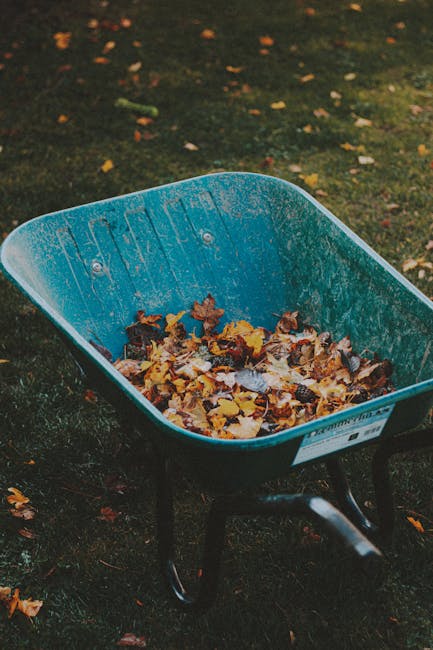
| Wheelbarrow or garden bags | Moving cuttings and leaf waste | Makes clear-up faster and less messy |
If you are planning to remove a lot of waste, check how the garden material will be handled. Recycling green waste responsibly is a useful habit, and it fits well with a more sustainable approach to seasonal work. For more on that general approach, recycling and sustainability is worth keeping in mind when deciding what to keep, compost, or remove.
For people who want an overview of available help across different tasks, the services overview can be useful as a planning reference before autumn work builds up.
Law, Compliance, Standards, or Best Practice
For most gardeners, autumn prep is governed more by common sense and good practice than by heavy regulation. That said, a few points are worth keeping in mind.
Safety first. If you are using ladders, cutting near power lines, handling heavy branches, or working on steep or awkward ground, the sensible standard is to stop and assess the risk before carrying on. This is especially true with tree work or large hedge reductions. If a job feels uncertain, it probably deserves a safer approach.
Noise and neighbour awareness. In a built-up area like Neasden, it is courteous to avoid early or late noisy work where possible. That is not a legal lecture, just good neighbourly practice. You do not need to become everyone's least favourite person with a hedge trimmer at 7am on a Sunday.
Waste handling. Garden waste should be managed responsibly. Do not dump clippings where they may block shared access, drainage, or footpaths. If you use a service, check how waste is carried, sorted, and disposed of. Good operators should be clear about that.
Insurance and working practice. If you hire help, it is reasonable to expect proper care, safe equipment, and suitable insurance arrangements. You do not need every technical detail, but you should feel comfortable asking about it. For broader reassurance, you can review the website's health and safety policy and insurance and safety information before booking.
In short: use sensible methods, don't rush risky jobs, and treat autumn prep as part of long-term garden care rather than a quick cosmetic fix.
Options, Methods, or Comparison Table
Not every garden needs the same autumn approach. Sometimes a light tidy is enough. Other times the best option is a fuller reset. Here is a simple comparison to help you decide.
| Approach | Best for | Pros | Limitations |
|---|---|---|---|
| Light DIY tidy | Small, well-kept gardens | Cheap, flexible, good for routine upkeep | Can miss hidden issues or larger clear-up needs |
| Weekend deep clean | Medium gardens with moderate leaf fall | Good reset, visibly better results | Time-consuming and weather-dependent |
| Professional clearance and maintenance | Overgrown, busy, or safety-sensitive gardens | Efficient, safer for bigger jobs, better finish | Higher upfront cost |
If the garden is mostly tidy but needs one or two targeted jobs, a lighter method is usually enough. If it has been neglected for a while, or you are seeing blocked access, heavy leaf load, or overgrown borders, a more complete clearance often gives better value than trying to chip away at it piecemeal. A bit like cleaning a kitchen after a long holiday. You can wipe surfaces, sure, but sometimes you need to properly reset the place.
Case Study or Real-World Example
A typical Neasden front and back garden in autumn might have a small lawn, two mixed borders, a hedge along one side, and several containers by the back door. After a windy week, the lawn is covered in leaves, the hedge has a few awkward shoots, and one corner of the border is staying damp because the sun barely reaches it now.
In that sort of garden, the most effective order is usually:
- clear the lawn and paths first so the space is safe and usable;
- cut back dead annuals and tidy the borders;
- lightly shape the hedge;
- add mulch where the soil is exposed;
- move the pots to a warmer, more sheltered spot;
- check for drainage issues before the next wet spell.
That sequence sounds simple, and it is, but it changes the whole feel of the garden. Instead of a place that is starting to slide into winter chaos, you get a garden that looks intentional and survives the season better. A small difference, maybe. But a useful one.
When a garden has been left for too long, the first job is often not pruning or feeding. It is just making the space manageable again. That is where a sensible service like landscape gardening can complement seasonal work if the layout itself is part of the problem.
Practical Checklist
Use this as your working autumn checklist for Neasden in 2026. Tick off what applies and ignore what does not. Not every garden needs every task, and that is fine.
- Remove fallen leaves from lawn, borders, paths, and drains.
- Cut back dead annuals and spent growth.
- Deadhead or lightly prune where appropriate.
- Check hedges for uneven growth, breakage, or wind damage.
- Inspect shrubs and support any leaning stems.
- Raise mower height for the last autumn cuts, if mowing is still needed.
- Aerate or loosen compacted lawn areas if soil conditions allow.
- Top up borders with compost or mulch.
- Protect tender plants and reposition containers.
- Clear weeds before they seed.
- Check drainage around patios, sheds, and low spots.
- Store tools, clean containers, and secure loose items before strong wind.
- Separate healthy green waste from diseased material.
- Review any larger jobs that should be done professionally.
Best-use tip: do the first pass now, then a second, lighter pass two to three weeks later. Autumn gardens always reveal one more layer of mess after the first tidy. Always.
Get a free quote today and see how much you can save.
Conclusion
A good Autumn garden prep Neasden checklist 2026 for gardeners is not about making everything perfect. It is about doing the right jobs at the right time so the garden enters winter in better shape. Clear the debris, protect the roots, reduce risk, and leave enough structure for the space to breathe. That is the quiet magic of autumn work.
For many gardens, a little effort now means less rescue work later, healthier plants in spring, and a space that feels calmer through the dark months. If you are only going to do a few things, make them the ones that stop bigger problems from forming. That is usually where the value is.
And if the work feels bigger than you expected, that is perfectly normal. Gardens have a habit of hiding their true size until autumn arrives. Still, one steady step at a time, you can get there.
Frequently Asked Questions
What should be on an autumn garden prep checklist in Neasden?
Start with leaf clearance, deadheading, light pruning, hedge checks, lawn care, mulching, container protection, and a quick inspection of drainage and structures. Then add any garden-specific tasks such as tree work or clearance.
When is the best time to start autumn garden prep in 2026?
It is usually sensible to begin in early to mid-autumn, then continue in smaller bursts as leaves fall and temperatures drop. The exact timing depends on the weather and what your garden needs.
Do I need to remove all leaves from the garden?
No, not always. Leaves on lawns and paths should be cleared, but healthy leaves can often be composted or used as mulch in the right place. Diseased leaves should be removed more carefully.
How do I know if my hedge needs trimming before winter?
If it is becoming uneven, catching wind, blocking paths, or showing broken shoots, it may need a light trim. Avoid overcutting unless you are sure the plant and season both suit it.
Is autumn a good time to cut the lawn?
Yes, if the ground is not waterlogged and the grass is still growing. Keep the cut slightly higher than in summer and avoid cutting too short as temperatures fall.
What should I do with tender plants in pots?
Move them to more sheltered positions, improve drainage, and protect the containers from cold exposure where needed. Some tender plants may need to be brought under cover depending on the variety.
Can I do all of this myself?
Many smaller jobs are perfectly manageable as DIY tasks. Bigger clearances, tall hedges, awkward tree work, or heavily overgrown plots are often safer and quicker with professional help.
What is the biggest mistake gardeners make in autumn?
Leaving debris and wet leaves in place for too long is a common mistake. It can smother grass, encourage disease, and make the garden much harder to manage later.
How much should autumn garden prep cost?
Costs vary widely depending on the size of the garden, the amount of clearance needed, and whether specialist work is involved. It is best to request a clear quote so you can compare scope rather than guessing.
Do I need professional help for garden clearance?
If the garden is overgrown, full of heavy waste, or awkward to access, professional clearance can save time and reduce risk. It is especially helpful when you want the work done safely and tidily in one go.
Should I prune shrubs hard in autumn?
Usually not unless the plant specifically benefits from it. Light shaping is often safer than hard pruning late in the season, because severe cuts can leave plants exposed before winter.
What if my garden stays damp after rain?
That often points to compaction, poor drainage, or heavy shade. Autumn is a good time to note the problem, improve soil where possible, and plan more substantial fixes if needed.
Where can I find more information about services and support?
You can review the main blog for related guidance, or check the site's service pages if you want help with specific garden jobs in Neasden.